
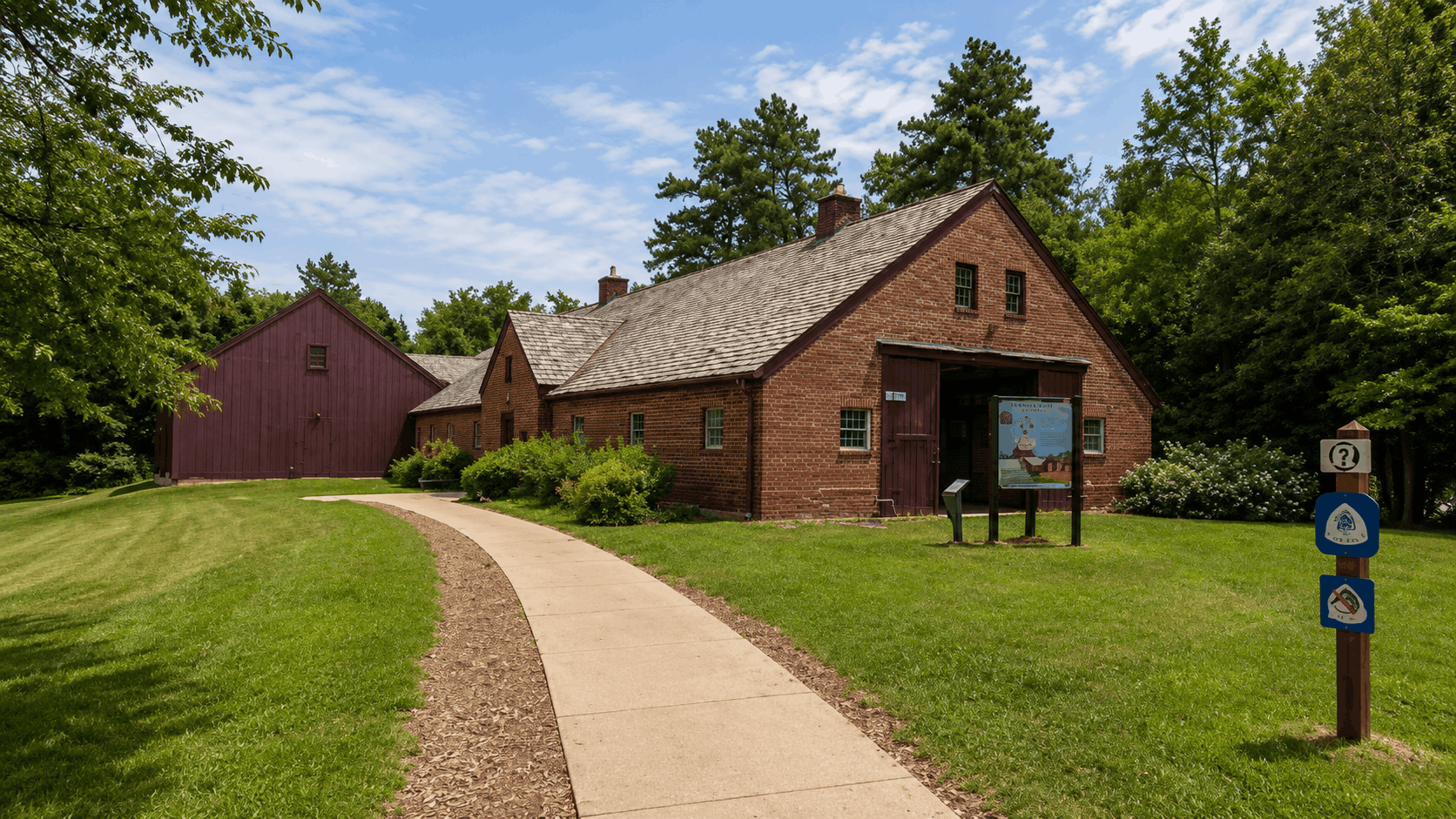
Southern Maryland is filled with places where natural beauty and local history come together, but few destinations combine both as completely as Jefferson Patterson Park and Museum. Located in St. Leonard, Maryland, the park stretches across hundreds of acres near the Patuxent River and offers archaeological exhibits, walking trails, historic landscapes, and peaceful waterfront views.
It is an ideal destination for visitors who want more than a quick sightseeing stop. You can learn about thousands of years of regional history, explore outdoor spaces, and enjoy the quieter side of Calvert County in a single trip.
Whether you are interested in archaeology, Maryland history, photography, or a relaxing walk, Jefferson Patterson Park provides a meaningful way to experience Southern Maryland.
Why Is Jefferson Patterson Park Important?
The land surrounding the park has been home to people for thousands of years. Archaeological discoveries from the property reveal evidence of Indigenous communities, colonial settlement, farming, trade, and changing life along the Patuxent River.
Jefferson Patterson Park is also home to the Maryland Archaeological Conservation Laboratory. This facility helps preserve and study archaeological collections recovered from sites throughout the state.
The park does more than display historic objects. It helps visitors understand how archaeologists uncover information, protect artifacts, and use physical evidence to reconstruct the past.
For anyone curious about how communities developed across Southern Maryland, the site provides valuable context. Its exhibits and preserved landscapes connect broad historical events to the people who lived and worked in Calvert County.
What Can You See at the Museum?
The visitor center and museum exhibits introduce guests to the history and archaeology of the property. Displays may include artifacts, maps, photographs, and explanations of how researchers interpret archaeological sites.
Visitors can learn about Native American life, early European settlement, agriculture, transportation, and the region’s relationship with nearby waterways. The exhibits make the history approachable without overwhelming visitors with technical information.
Families can use the museum as a starting point before exploring the larger park. Understanding the site’s background makes the outdoor areas more interesting because visitors can better recognize how the land was used over time.
Availability of exhibits and indoor facilities may vary, so checking current operating information before traveling is helpful. Even when certain buildings are unavailable, the surrounding grounds still offer plenty to explore.
Explore the Park’s Archaeological Sites
One of the most distinctive aspects of Jefferson Patterson Park is its connection to active archaeological research. The property includes numerous documented sites representing different periods of Maryland history.
Depending on current programming, visitors may have opportunities to watch demonstrations, attend educational events, or learn about excavation methods. Programs can explain how archaeologists carefully document soil layers, recover objects, and preserve fragile materials.
The park often makes archaeology feel more immediate than a traditional museum. Instead of viewing the past as something distant, visitors see how evidence remains within familiar landscapes.
This makes Jefferson Patterson Park especially appealing for students, history enthusiasts, and anyone interested in learning how ordinary objects can reveal important information about earlier communities.
Walking Trails and Waterfront Scenery
History is only part of the experience. The park also offers open fields, wooded areas, shoreline scenery, and trails that make it an excellent place for walking.
The landscape overlooks areas near the Patuxent River and St. Leonard Creek. These waterways played an important role in transportation, trade, fishing, and settlement throughout the region’s development.
Walking through the property gives visitors time to appreciate the connection between the natural setting and the historic communities that once lived there. The views also make the park a strong destination for photographers and birdwatchers.
Wear comfortable shoes because the property is large, and some areas may involve uneven ground. Bringing water is also recommended, particularly during warmer months in Southern Maryland.
What Should Families Know Before Visiting?
Jefferson Patterson Park can be a rewarding destination for families because it combines indoor learning with outdoor exploration. Children who lose interest in traditional museums may enjoy moving between exhibits, trails, reconstructed areas, and wide-open spaces.
Before arriving, review available programs and events. Archaeology days, heritage celebrations, workshops, and guided activities can add more structure to the visit.
Families should bring sunscreen, insect repellent, water, and weather-appropriate clothing. A picnic can also make the trip more relaxed, provided visitors follow posted rules and use designated areas.
Because the property covers a substantial area, it is better to choose a few priorities than attempt to see everything quickly. Allow time for children to explore, ask questions, and enjoy the landscape.
When Is the Best Time to Visit?
Spring and fall are especially comfortable seasons for exploring the park. Mild temperatures make walking easier, and the surrounding landscape can be particularly attractive during these times.
Summer visits can still be enjoyable, especially when planned earlier in the day. Shade, water, and sun protection become more important as temperatures rise.
The park can also host seasonal events that provide additional reasons to return. A visitor who explores independently during one trip may have a very different experience during a guided program or public archaeology event.
Weather can affect trails, outdoor activities, and access to certain areas. Checking conditions before leaving can help you plan appropriately.
Plan a Meaningful Southern Maryland Day Trip
Jefferson Patterson Park works well as a half-day trip, but history enthusiasts may want to spend longer. Begin at the visitor center when available, then explore the exhibits and continue outdoors to the trails and historic areas.
Take time to read interpretive signs instead of treating the park as a simple walking destination. The details help explain how the landscape changed and why the property remains important to Calvert County.
The park’s peaceful setting also encourages a slower pace. Rather than rushing between attractions, visitors can enjoy the water views, open spaces, and stories connected to the land.
Continue discovering distinctive regional destinations in Explore the Indian Head Rail Trail Near Waldorf, Maryland, the next guide in this Southern Maryland series.
Maintaining an active lifestyle is only one part of feeling your best. For personalized support focused on energy, vitality, and long-term wellness, visit Apex HRT to learn more about hormone and testosterone replacement therapy in Southern Maryland.
Where History and Landscape Meet
Jefferson Patterson Park and Museum offers more than exhibits or scenic trails. It provides a deeper understanding of how people lived, worked, traveled, and adapted along the waterways of Southern Maryland.
Its combination of archaeology, education, and outdoor exploration makes it one of Calvert County’s most worthwhile cultural destinations. Visitors leave with more than photographs. They gain a clearer sense of the many layers of history beneath the region’s familiar landscapes.
Recent Comments