
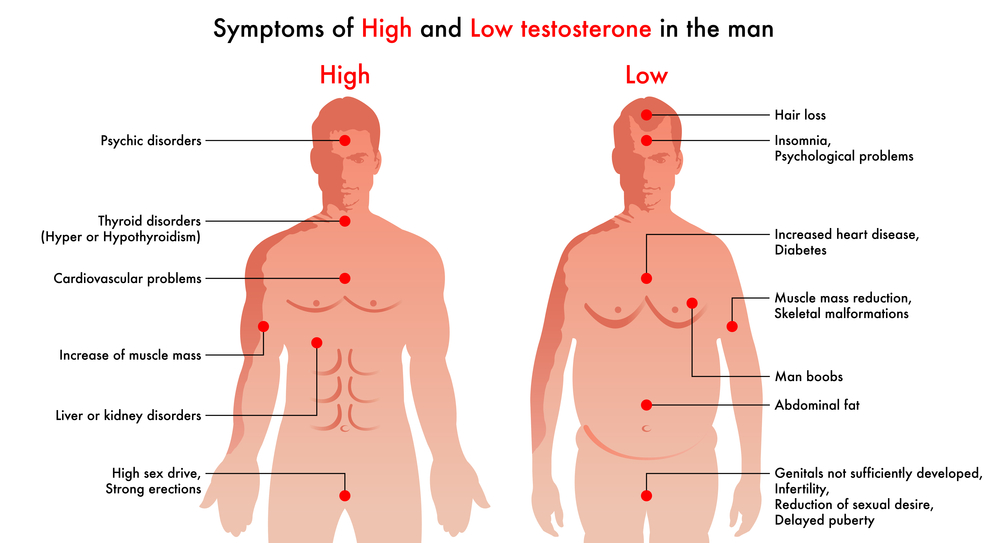
Low testosterone is often associated with sexual health, but its effects may reach much further. Some men notice changes in energy, focus, confidence, emotional balance, and motivation. Because these symptoms can develop gradually, they are easy to blame on stress, aging, poor sleep, or a demanding schedule.
For men in Southern Maryland, understanding the possible connection between testosterone and daily well-being can make it easier to recognize when a medical evaluation may be worthwhile. Low energy or a change in mood does not automatically point to a hormone problem, but persistent symptoms deserve attention, especially when several appear together.
Testosterone Supports More Than Sexual Function
Testosterone contributes to muscle maintenance, bone health, red blood cell production, sexual function, and body composition. It can also influence how a man feels and responds to physical and mental demands.
When levels are lower than expected, some men report feeling less energetic, less driven, or emotionally flat. Others notice irritability, reduced confidence, or difficulty concentrating. These symptoms are not unique to low testosterone, so a complete evaluation is important before considering hormone replacement therapy.
A provider should review symptoms, health history, medications, sleep habits, stress levels, and laboratory results. The goal is to determine whether hormones may be contributing to the problem or whether another condition is more likely.
Why Low Testosterone Can Feel Like Constant Fatigue
Fatigue connected to low testosterone may feel different from ordinary tiredness. A man may sleep for a normal amount of time and still wake up feeling unrefreshed. He may struggle through the afternoon, rely more heavily on caffeine, or have less stamina for work, exercise, and family responsibilities.
In Southern Maryland, busy schedules and long commutes can make exhaustion seem normal. However, when low energy continues despite adequate rest and healthier habits, it may be time to investigate further.
Testosterone can affect muscle strength and physical capacity, so lower levels may make activity feel more demanding. Some men notice slower workout recovery or reduced endurance. Others feel less inclined to be active, creating a cycle of inactivity, weight gain, and even lower energy.
Hormone replacement therapy may be discussed when symptoms are supported by testing, but treatment should not be based on fatigue alone. Sleep apnea, anemia, thyroid conditions, depression, medication effects, and other concerns can produce similar symptoms.
How Hormone Changes May Affect Mood
Mood changes are not always dramatic. A man who was once patient may become more irritable, discouraged, or withdrawn. He may lose interest in hobbies, social activities, or goals that previously mattered to him.
Low testosterone may contribute to these changes, but mood is influenced by many factors. Stress, relationship concerns, poor sleep, work pressure, and mental health conditions can all affect emotional well-being. A thoughtful provider should not assume every mood change is hormonal.
For men considering hormone replacement therapy, the evaluation should include a clear discussion of emotional symptoms. The provider may ask when the changes began, how often they occur, and how they affect work, relationships, and daily routines.
Finding care in Southern Maryland that looks at the whole person is important. The strongest approach considers both hormone levels and the broader health picture.
Why Motivation Can Decline
Motivation depends on energy, mood, confidence, and the ability to feel rewarded by progress. When several of these areas change, even simple tasks can feel harder to begin.
Some men with low testosterone describe a loss of drive. They may procrastinate more, stop exercising, avoid social plans, or feel less ambitious at work. This can be frustrating because the change may feel completely out of character.
A decline in motivation is not the same as laziness. It may reflect fatigue, emotional strain, poor sleep, or a medical issue. When it appears alongside reduced libido, decreased strength, weight gain, or trouble concentrating, low testosterone may be one possible explanation.
Hormone replacement therapy may help some appropriately diagnosed patients, but it is not an instant source of motivation. Improvements may develop gradually and are usually supported by healthy sleep, regular movement, balanced nutrition, and consistent follow-up care.
The Connection Between Testosterone and Mental Clarity
Men with low testosterone sometimes describe brain fog, slower thinking, or difficulty staying focused. They may lose track of conversations, struggle to complete tasks, or need more time to make decisions.
These symptoms can affect job performance and confidence, especially when a man knows he is not functioning at his usual level. However, concentration problems can also result from stress, poor sleep, anxiety, depression, or medication side effects.
Blood testing, symptom review, and medical history should be considered together. One symptom or one laboratory result rarely provides enough information on its own. For patients in Southern Maryland, choosing a provider who uses this broader approach can lead to clearer answers and more appropriate recommendations.
When It Is Time to Seek an Evaluation
Temporary fatigue or irritability is common. The concern becomes more meaningful when symptoms continue for weeks or months, interfere with normal activities, or appear alongside other changes.
Consider scheduling an evaluation if you notice persistent low energy, reduced motivation, lower libido, mood changes, decreased muscle strength, weight gain, or trouble concentrating. These symptoms do not confirm testosterone deficiency, but they provide useful information for a provider.
Before recommending hormone replacement therapy, a clinician should review your health history and order appropriate laboratory testing. Men should also be ready to discuss fertility goals, medications, sleep quality, and previous medical conditions because these factors may influence both diagnosis and treatment.
Moving From Symptoms to Clearer Answers
Low testosterone can affect more than sexual health. For some men, it may contribute to fatigue, mood changes, reduced concentration, lower confidence, and a noticeable loss of motivation. Since these symptoms overlap with many other conditions, proper testing matters.
Men in Southern Maryland should look for care that combines laboratory results with a detailed review of symptoms and overall health. That approach creates a clearer path forward and reduces the risk of treating the wrong problem.
To understand how laboratory results guide personalized treatment, continue with How Blood Testing Helps Create a Hormone Therapy Plan.
Men seeking medically supervised hormone and testosterone replacement therapy in Southern Maryland can contact Apex HRT to discuss symptoms, testing, and possible treatment options.
Recent Comments